Most people take the Free 137 the way they would take a quiz: a block here, a block there, tutor mode on, phone face-up on the desk. Then they get a percentage back and try to read their Step 3 readiness out of it. That number is close to meaningless, and not because the questions are bad — because the conditions were.
The Free 137 is the NBME's official free practice exam for USMLE Step 3, and it is the only official free practice material the USMLE puts out for this exam. It runs 137 multiple choice questions across four timed blocks. That structure is the useful part, and it only pays off if you actually sit it like an exam. Here is how to run it so the result tells you something.
Decide What You Want From It Before You Start
There are two legitimate ways to use this set, and they are mutually exclusive on a given version.
- As a diagnostic. One sitting, test mode, no explanations until the end. You get one honest readiness signal per version.
- As content review. Tutor mode, untimed, read every explanation as you go. You learn more per question and you burn the version's diagnostic value permanently.
Pick one per version, and spend your diagnostic attempt on the current set. If you want a diagnostic read now and content review later, use the December 2023 version timed and save an archived version for tutor mode. The full version-by-version breakdown is in the Free 137 hub, and the difference between the current and retired sets is covered in new vs old Free 137.
Running the Four Blocks
If you are using it as a diagnostic, the goal is to reproduce the fatigue of a real multiple-choice day, not just the questions.
- All four blocks in one sitting. Splitting across days is the fastest way to inflate your score. Your block-four performance is the whole point — that is where real test-day decay shows up, and it is the thing no single-block practice session will ever reveal.
- Set a per-question pace of about one minute and hold it. Roughly 34 questions per block means you should know, without doing math, where you ought to be at the halfway mark. If you are more than four or five questions behind pace, start making faster commitments rather than trying to recover at the end.
- Flag and move, once. Give yourself one pass. Anything you flag gets revisited only if time remains in that block. Carrying unresolved questions in your head into the next block costs more than the point you were chasing.
- Take one real break, not four. A single break after block two mirrors the actual rhythm closely enough. Breaking between every block turns a stamina test into four quizzes.
- No reference material, no phone, no pausing. Obvious, and routinely ignored. A paused block is a tutor-mode block with extra steps.
You can run all four versions on the interactive Free 137 practice exam in either tutor or test mode, so the mode choice is yours to make deliberately rather than by accident.
When to Take It
Timing the attempt matters as much as timing the blocks. Taking it cold in week one gives you a number you will discount anyway. Taking it two days before your exam gives you anxiety and no time to act on what it found.
The useful window is far enough out that you can still change your plan — roughly when you have finished a first pass of content and want to know whether to keep reviewing or switch to timed practice. If you have not built a study calendar yet, the Step 3 CCS study schedule lays out where a diagnostic attempt naturally fits, and how to use the Free 137 goes deeper on sequencing it against your other resources.
On retakes: you can sit the set again, but a repeat score is inflated by recognition and tells you much less than the first one did. If you are weighing a second attempt, the Free 137 retake guide covers when it is still worth the afternoon.
Reading the Result Without Overreacting
Community consensus puts roughly 70 to 75 percent correct in the neighborhood of a passing performance, but that figure is anecdotal and has never been validated by NBME — there is no official formula converting a Free 137 percentage into a three-digit score. Treat the number as directional.
What actually earns you points is the review. Go through every explanation, including the questions you got right, and separate the misses you now fully understand from the ones where the reasoning still does not click. Those are two different problems with two different fixes. For a fuller treatment of what the score does and does not predict, see what your Free 137 score actually predicts.
What the Four Blocks Cannot Tell You
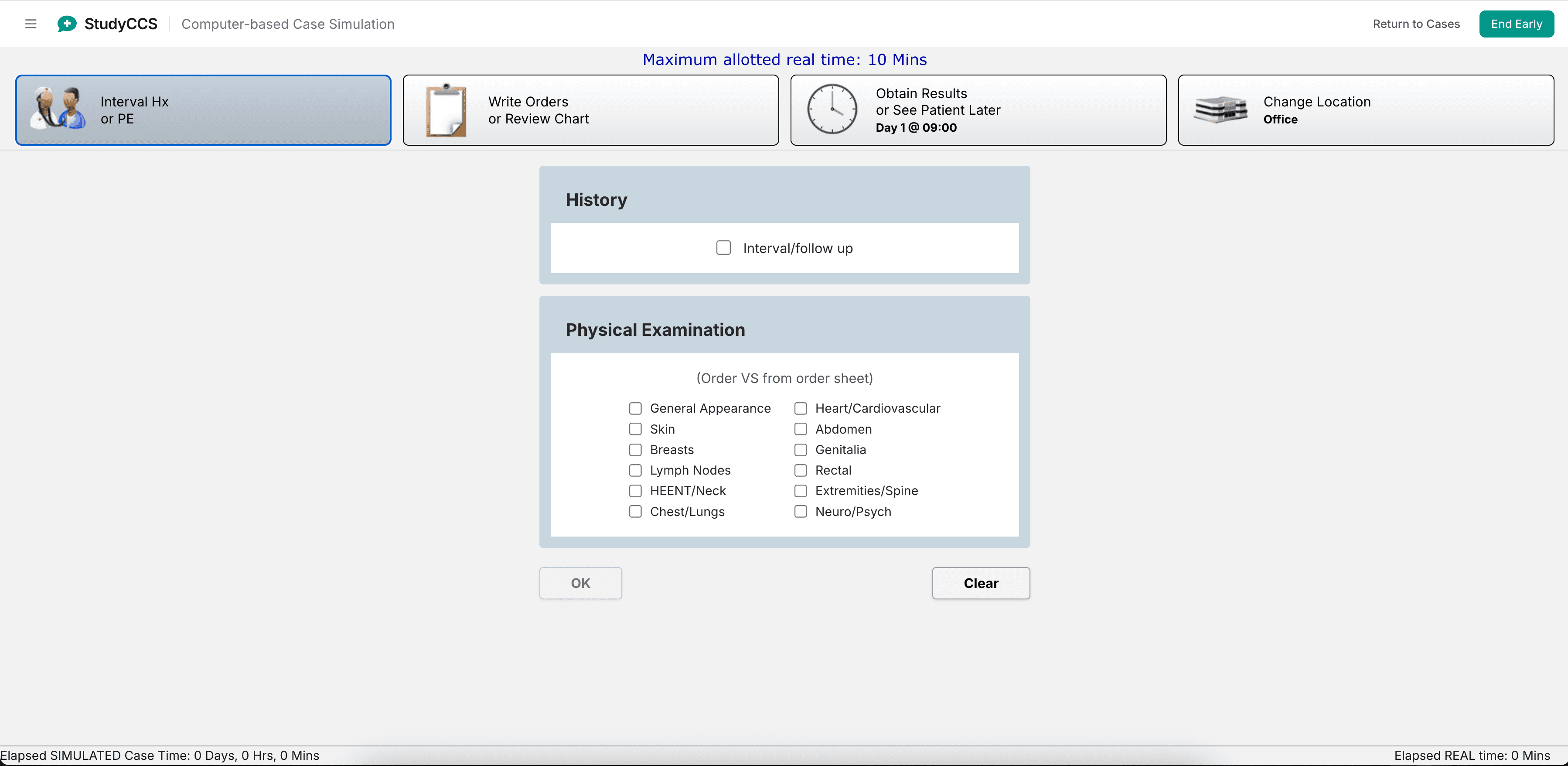
The Free 137 is multiple choice end to end. It does not test case management, order-writing speed, or your ability to run a clock through a patient encounter — and the CCS portion of Step 3 is graded separately from the multiple-choice sections. A strong Free 137 and a shaky CCS performance coexist comfortably, and this set will never warn you about it.
So treat a good result as permission to shift your remaining time toward cases rather than content. Run full timed cases at practice CCS cases, and if you want a readiness estimate that accounts for both halves of the exam instead of one practice set, the Score Predictor is built to combine them.