Quick answer
The USMLE Step 3 pass rate for first-time test-takers in 2026 is approximately 93% for US MD graduates, 89% for US DO graduates, and 75% for international medical graduates (IMGs). The passing score is 200 — see the Step 3 Passing Score guide for the threshold vs. rate distinction.
When most test-takers ask "what is the Step 3 pass rate," they are actually asking two related but distinct questions: (1) what percentage of people pass Step 3 on their first attempt, and (2) what are their odds relative to their group? This article answers both — with data broken down by candidate type, attempt number, and historical trends.
What is the USMLE Step 3 pass rate?
The table below summarizes first-attempt pass rates for USMLE Step 3 by examinee group, based on USMLE score data published annually on usmle.org.
| Examinee Group | First-Attempt Pass Rate | Repeat Pass Rate |
|---|---|---|
| US MD graduates | ~93% | ~71% |
| US DO graduates | ~89% | ~79% |
| International medical graduates (IMGs) | ~75% | ~54% |
Source: USMLE Performance Data, 2022–2024 (most recent available). Rates are approximate and vary slightly year to year.
A few things stand out in this data. First, repeat pass rates are significantly lower than first-attempt rates for every group — especially for IMGs, where the repeat pass rate drops to 54%. This makes a strong case for ensuring you are well-prepared before sitting the exam. Second, the overall pass rate is high because the passing threshold (200) is set relatively low — the average passing candidate scores well above 200.
Pass rate vs. passing score: what is the difference?
These two concepts are frequently confused:
- Passing score — the minimum scaled score required to pass. In 2026, this is 200. This is a fixed threshold set by the USMLE.
- Pass rate — the percentage of examinees who achieve a score of 200 or higher on a given attempt. This varies by candidate group and year.
The high overall pass rate exists precisely because 200 is a relatively low bar — the average test-taker scores 227, which is 27 points above passing. But that average obscures significant variation by specialty and candidate background.
Step 3 pass rate by specialty
The USMLE does not publish pass rates broken down by specialty directly, but community data from r/step3, SDN, and residency program surveys consistently show variation by specialty background. Physicians in procedural specialties (surgery, anesthesiology) tend to have slightly lower first-attempt pass rates than primary care physicians — likely because clinical exposure in those specialties is less aligned with the Step 3 content domains. Internal medicine and family medicine residents have the highest first-attempt pass rates.
If you are a surgical resident, the highest-yield gap area is typically the CCS section — where primary care clinical reasoning is tested most heavily. This is also where the most points are available relative to preparation time.
Year-over-year trends (2018–2024)
| Year | US MD First-Attempt | US DO First-Attempt | IMG First-Attempt |
|---|---|---|---|
| 2024 | 93% | 89% | 75% |
| 2023 | 93% | 88% | 74% |
| 2022 | 92% | 88% | 73% |
| 2021 | 93% | 87% | 72% |
| 2020 | 91% | 86% | 69% |
| 2019 | 91% | 85% | 70% |
| 2018 | 90% | 84% | 68% |
Note: Year-over-year figures are approximate, compiled from publicly available USMLE performance data. Minor year-to-year variation (±1–2%) is normal and reflects candidate pool composition changes.
The trend is gradual improvement across all groups — US MD pass rates have climbed from ~90% in 2018 to ~93% in 2024. IMG pass rates have risen most dramatically (from ~68% to ~75%), likely reflecting better preparation resources and increased familiarity with the exam format.
How likely am I to fail Step 3?
For most adequately prepared residents, Step 3 failure is uncommon. The 7% of US MD graduates who fail on the first attempt tend to share a few characteristics:
- Underestimated the CCS section (which counts for 25–30% of the score)
- Used only one resource and had significant content gaps
- Sat the exam while extremely fatigued or during a particularly demanding clinical rotation
- Did not practice with the official USMLE software before exam day
The CCS section is particularly high-risk for test-takers who don't specifically prepare for it — it's not intuitive, and poor CCS performance can drag down an otherwise solid MCQ score enough to cause a borderline fail.
What to do if you are concerned about failing
If your practice exam scores are below 200, or if you are scoring in the low 200s on practice exams and want more buffer, the fastest intervention is improving your CCS performance. The CCS section accounts for approximately 25–30% of your total score and is the most improvable component in a short time frame — because most test-takers do minimal CCS preparation.
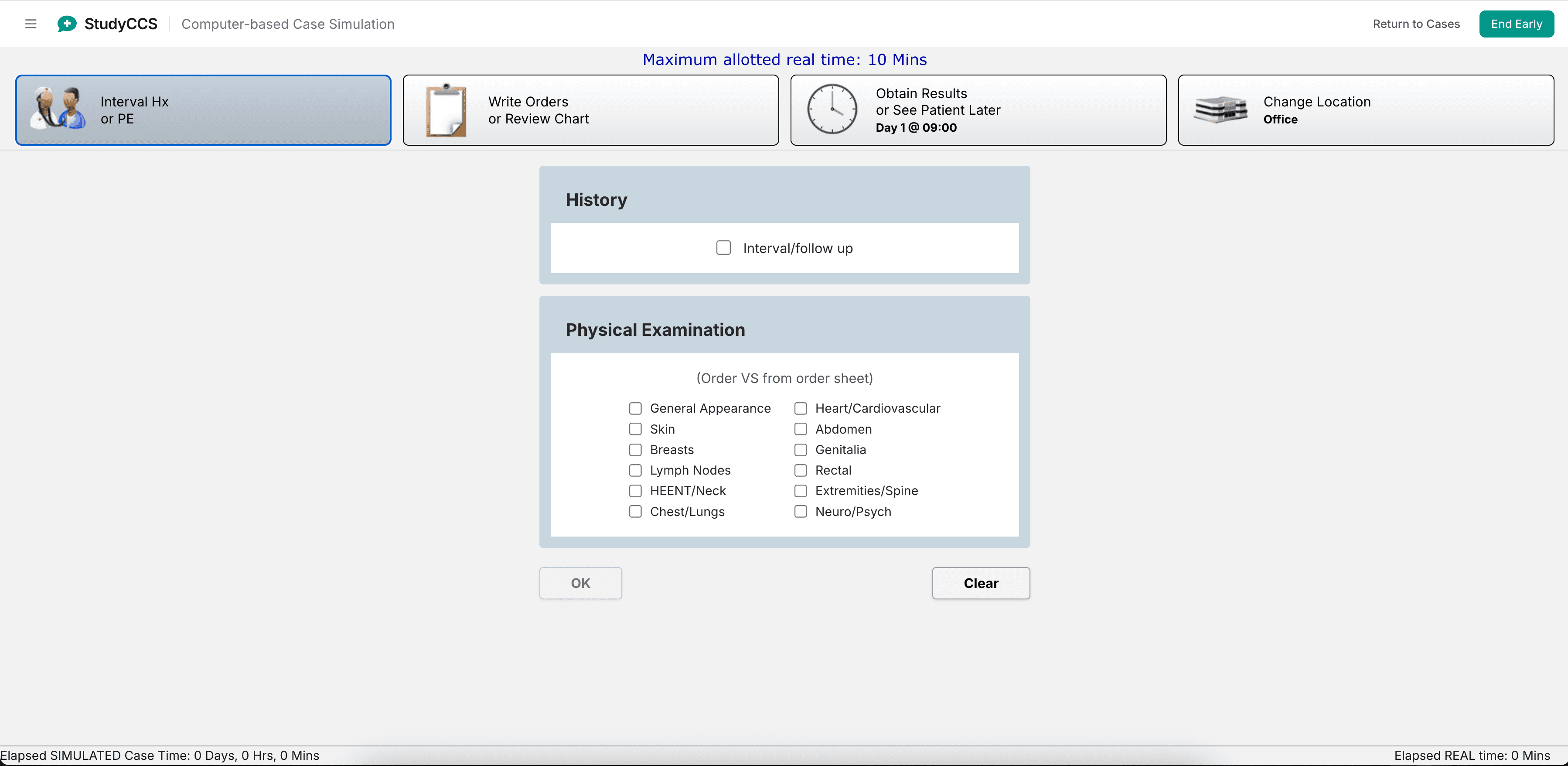
The most efficient approach: complete 15 full-length CCS cases to learn the interface, then use StudyCCS SpeedOrder to drill orders across as many clinical presentations as possible. Two weeks of focused CCS practice can add 10–15 points to your overall scaled score, which is often the difference between a borderline fail and a comfortable pass.
You can also use the free Step 3 Score Predictor to estimate your likely score from your UWSA, NBME, and UWorld data — including your probability of passing.
Frequently asked questions
What is the Step 3 pass rate for IMGs?
The USMLE Step 3 first-attempt pass rate for international medical graduates is approximately 75% in 2026. The repeat pass rate for IMGs is approximately 54% — significantly lower than the first-attempt rate.
What percentage of people fail Step 3?
Approximately 7% of US MD graduates, 11% of US DO graduates, and 25% of IMGs fail USMLE Step 3 on their first attempt.
Is Step 3 easier to pass than Step 2?
Step 3 has a lower passing threshold (200 vs. 218 for Step 2 CK), and first-attempt pass rates are slightly higher for most groups. However, the CCS section is unique to Step 3 and requires specific preparation that Step 1 and Step 2 do not.
Does Step 3 pass rate affect residency?
Step 3 is required for unrestricted medical licensure, not for residency match. However, some programs require Step 3 before the end of intern year, and failing Step 3 can affect licensure timelines and hospital privileges.
Related articles:
• USMLE Step 3 Passing Score 2026: Official Minimum (200) Explained
• Average USMLE Step 3 Score (2026): Mean, Median & Percentile Breakdown